Native American History & The Second Seminole War
Long before county lines, the lakes and hammocks between the Ocklawaha and the Withlacoochee held sovereign Seminole towns — and the ground on which a war of removal was fought.
Okahumpka: A Seminole Capital
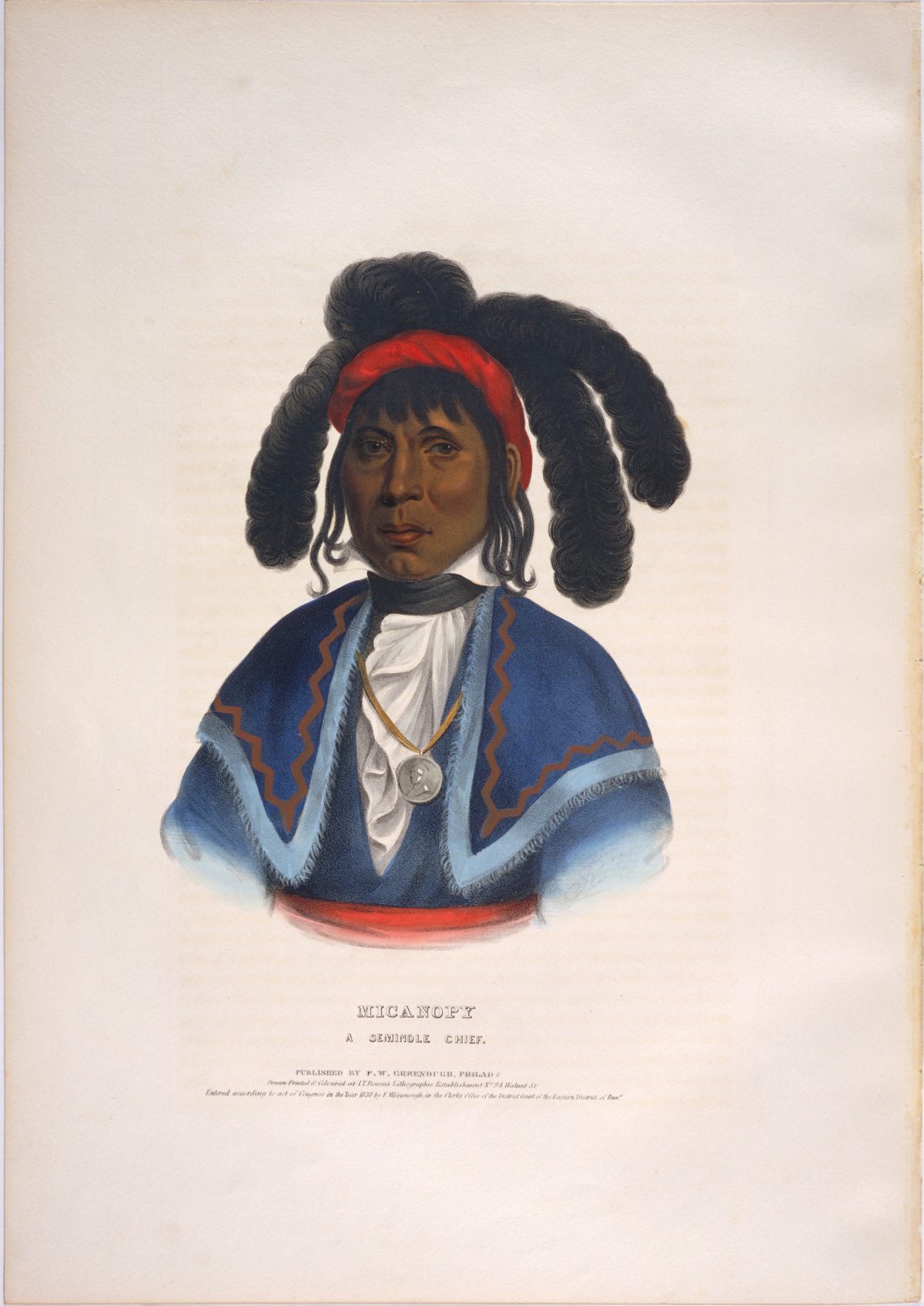
Okahumpka stands among the earliest sovereign town-sites of the Seminole Nation in Central Florida and is identified in nineteenth-century accounts as a capital settlement associated with Micanopy (Mikadopi), the paramount chief of the Seminoles in the years leading to the outbreak of the Second Seminole War (1835–1842).
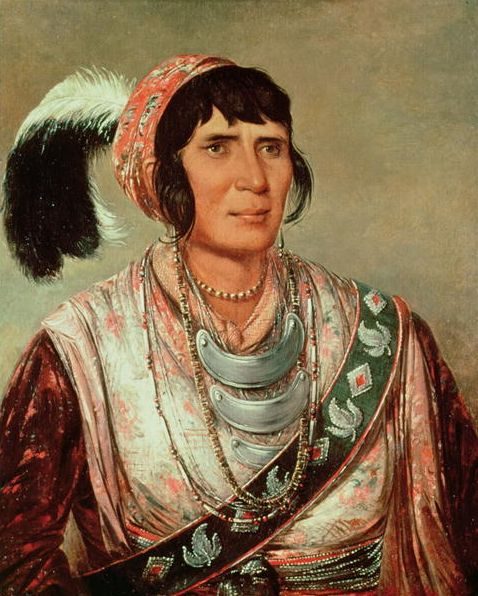
The name is generally rendered from Muscogee-language roots describing bitter or lonely water — a reference to the spring-fed water body at the town's edge. From this vicinity, Micanopy and allied leaders such as Jumper and Alligator coordinated resistance to federal removal policy.
Yalaha and the Lake Harris Port
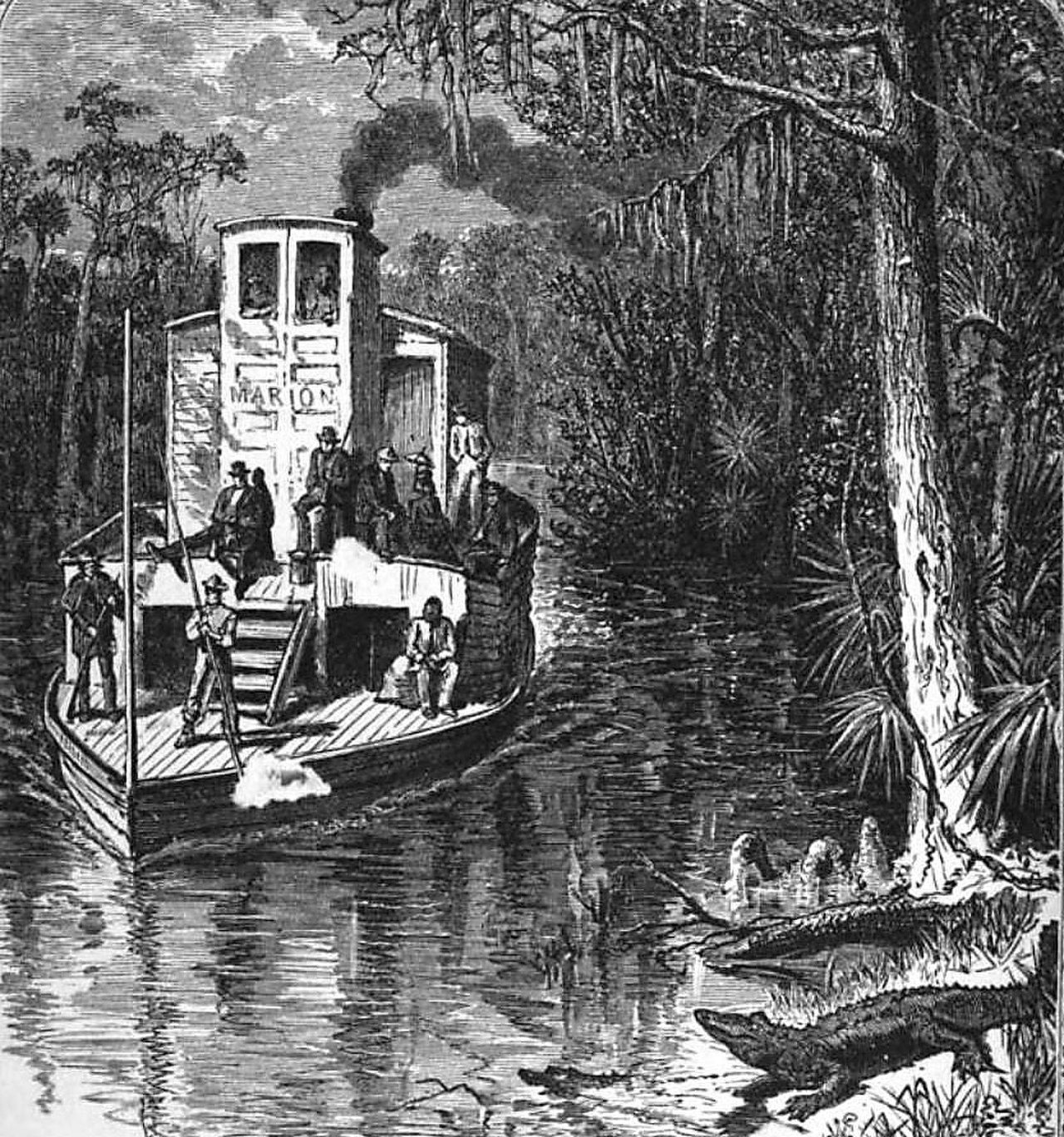
Yalaha takes its name from the Muscogee Creek/Seminole word for "orange" (yalaha). The settlement's shoreline on Lake Harris became one of the earliest working ports of the interior, where steamboats connected citrus, produce, and later ornamental ferns to the Ocklawaha–St. Johns river route toward Jacksonville.
Water, not road, was the region's first highway; the Harris–Eustis–Griffin chain of lakes carried both indigenous canoe travel and the commercial traffic that followed it.
Removal, Resistance, and the Dade Battle
The Indian Removal Act of 1830 and the coerced Treaty of Payne's Landing (1832) sought the removal of Florida's Seminoles to Indian Territory west of the Mississippi. Seminole leaders repudiated the treaty's terms, and refusal hardened into open war.
On December 28, 1835, roughly 180 Seminole and Black Seminole warriors ambushed a U.S. Army column under Major Francis L. Dade on the military road between Fort Brooke and Fort King — the route that passed just west of present-day Lake County. Nearly all of Dade's 108 men were killed. The engagement, long called the Dade Massacre and now commemorated at Dade Battlefield Historic State Park, opened the Second Seminole War, the longest and costliest of the United States' wars of Indian removal.